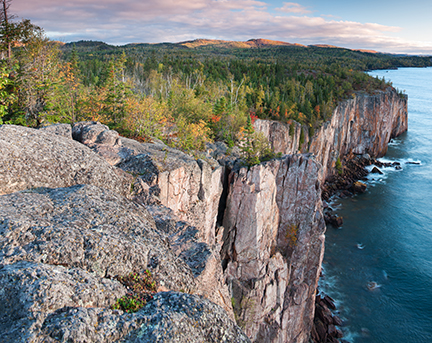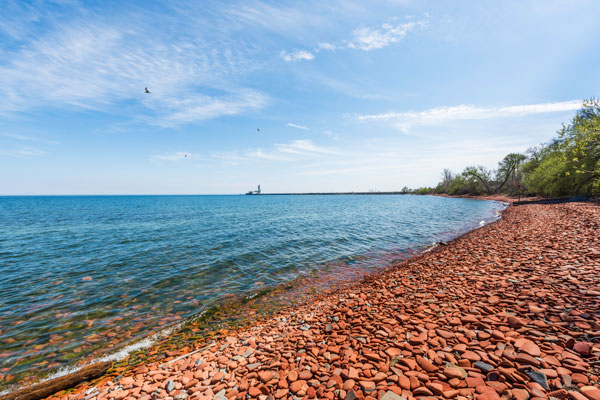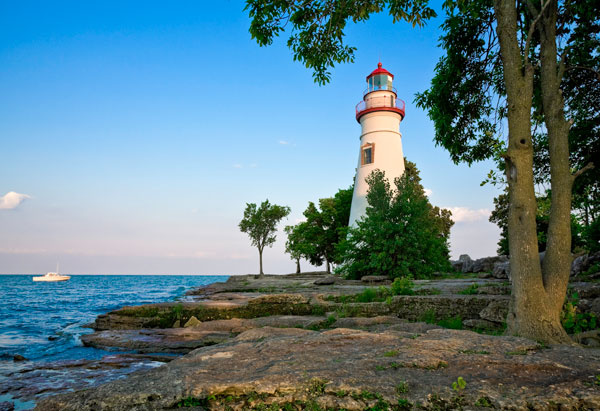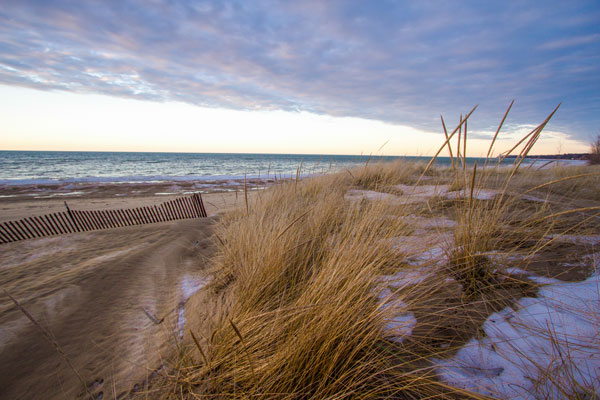
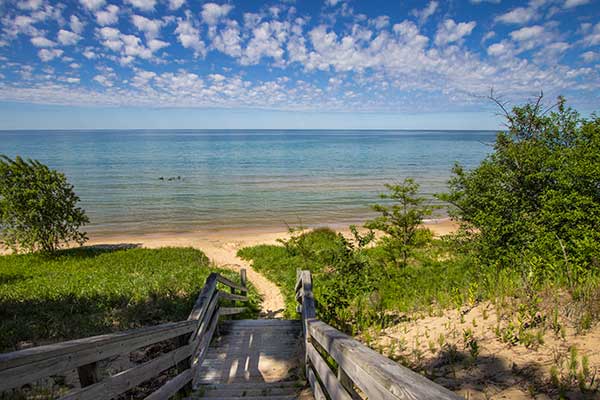
The Great Lakes basin extends into both the United States and Canada, with all of the lakes except one (Lake Michigan) bordered by both countries. Therefore, state-by-state or province-by-province policy does not work as effectively as a regional approach.
The Great Lakes are socially, economically, and environmentally significant to the region, the nation and the planet. Its important we work to take care of the Great Lakes because we are interconnected to the lakes and depend on them as a resource.
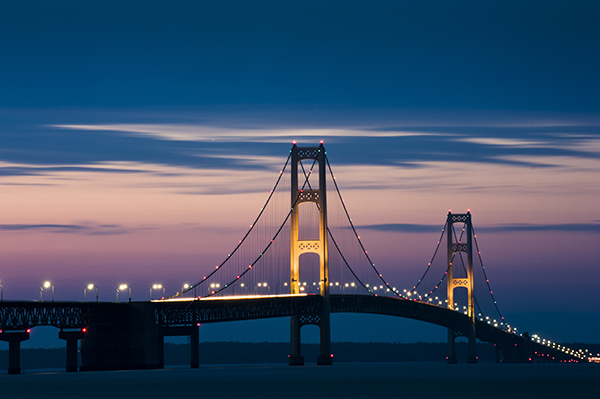
Rising 552 feet (that's 55 stories!) above the Straits of Mackinac, where lakes Michigan and Huron meet, is the world-famous Mackinac Bridge. Also known as the "Mighty Mac," this engineering marvel is 5 miles long and, anchor block to anchor block, is one of the longest suspension bridges in the world!
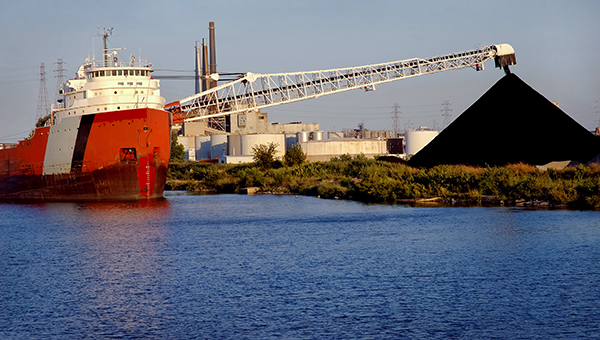
You'll be surprised to learn how much of the stuff you use every day was actually transported on the Great Lakes before it made its way to you!

Fish spend their entire lives in the water. The water surrounds them, flows over their gills, and supports them. They eat plants and animals that also live in the water. What happens when that water is polluted?
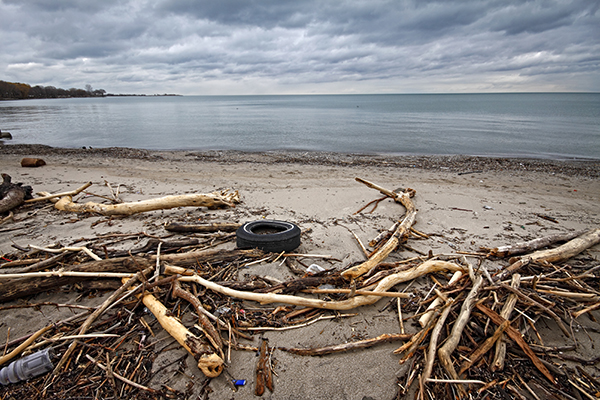
The Great Lakes AOCs are environmentally degraded areas around the Great Lakes basin. Find out about the causes of pollution and what is being done to restore and clean up these areas.
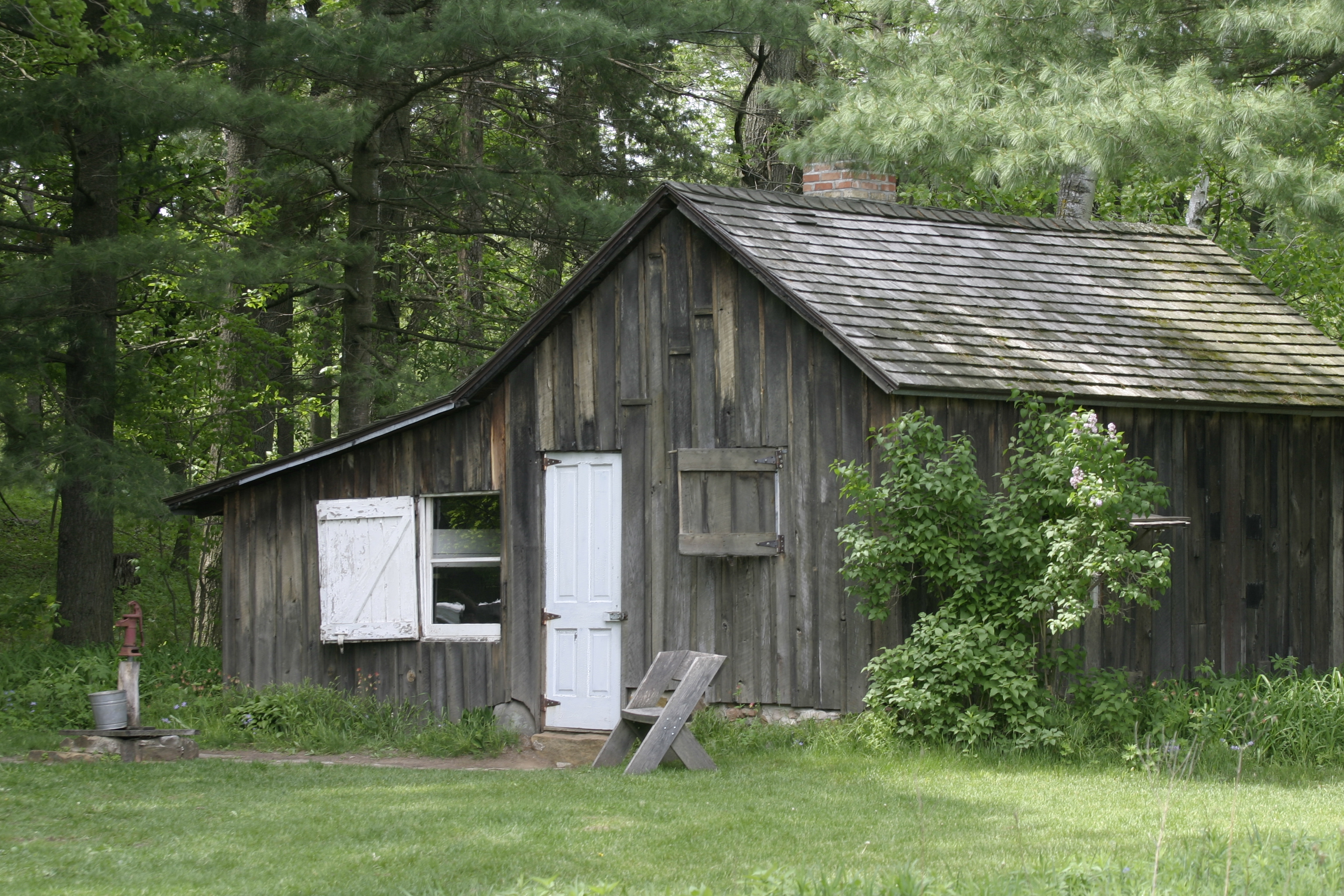
Many writers over the years have used the Great Lakes as a source of inspiration for their work. Their landscape and natural features attracted some writers to live close to the lakes as a quiet place to work on their pieces.
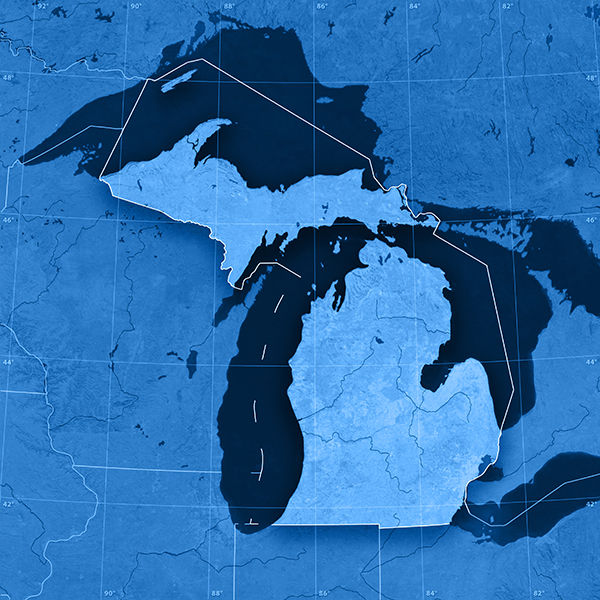
Names give us a relationship to a place and help us remember it. Think of towns, rivers, and lakes near where you live. Do you know how these places were named?
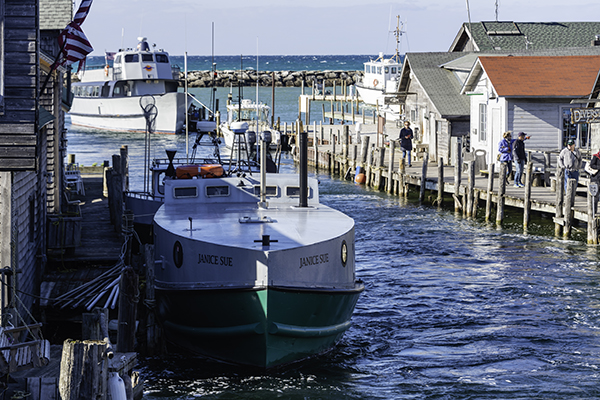
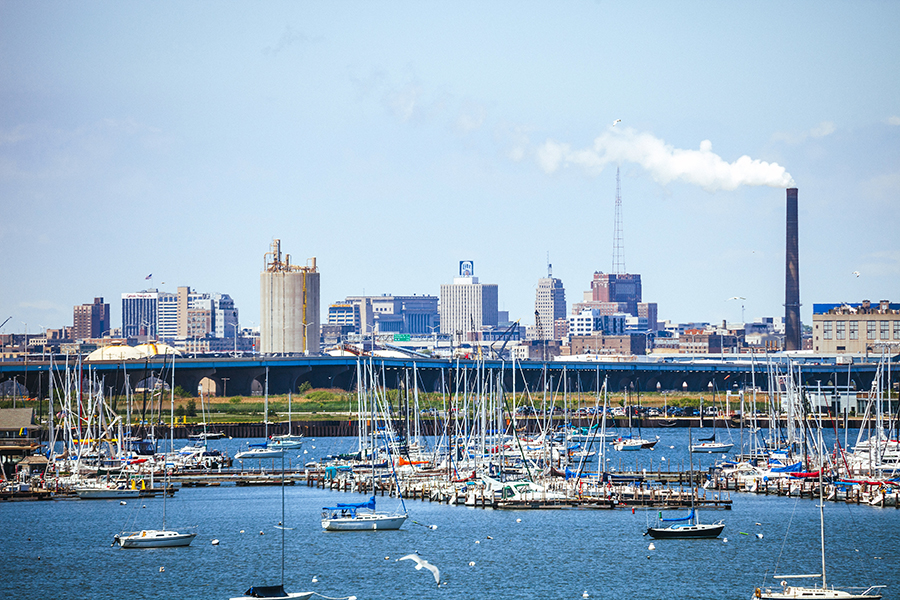
The Great Lakes, often referred to as the "fourth seacoast," are home to the U.S.-Flag fleetand the Canadian-Flag fleet. In addition, dozens of international vessels regularly travel through the Great Lakes, visiting port communities along the way.
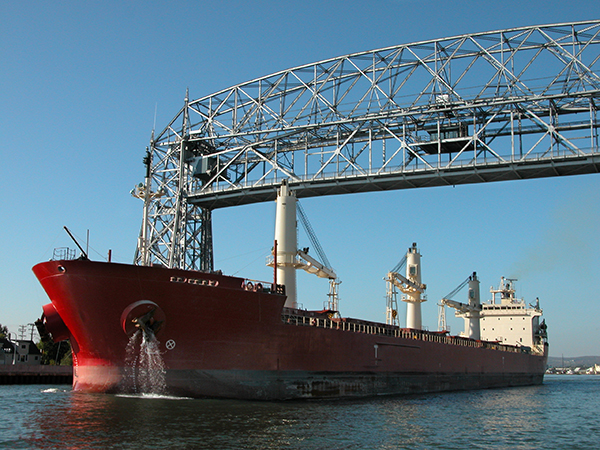
The largest ships that visit Great Lakes ports are designed to carry such bulk cargoes as iron ore, coal, stone and grain. Other ships are designed for general cargoes such as machinery, steel and bagged food products.
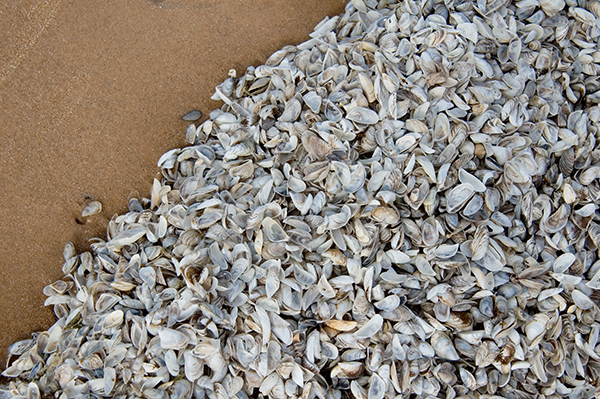
Once a non-native species is established in the Great Lakes, it is nearly impossible to get rid of it. Therefore, it is extremely important to prevent introductions of new species.
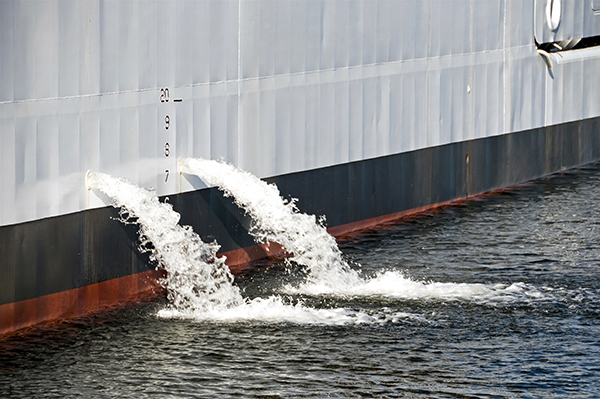
Ballast water is fresh or saltwater (sometimes containing sediments) held in tanks and cargo holds of ships. Ballast water is pumped onto ships at different ports of call to add weight to ships that may be carrying little or no cargo.
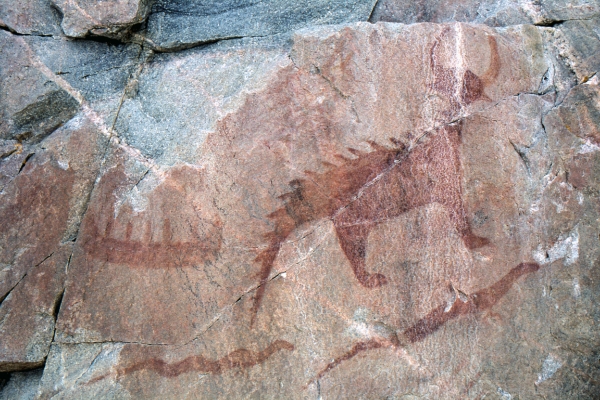
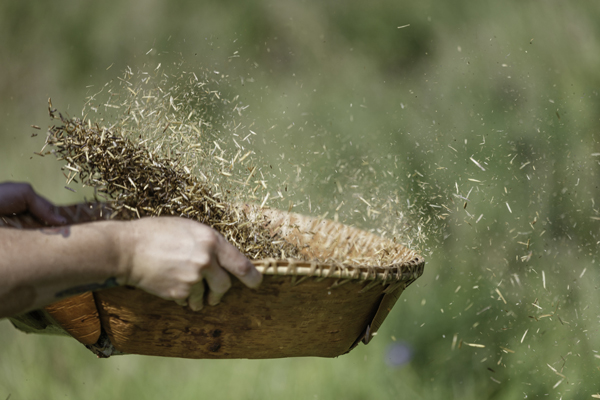
Native Peoples found all the things they needed to survive in the water and on the land where they lived. Native Peoples continue to pass down this knowledge and practice these same skills.
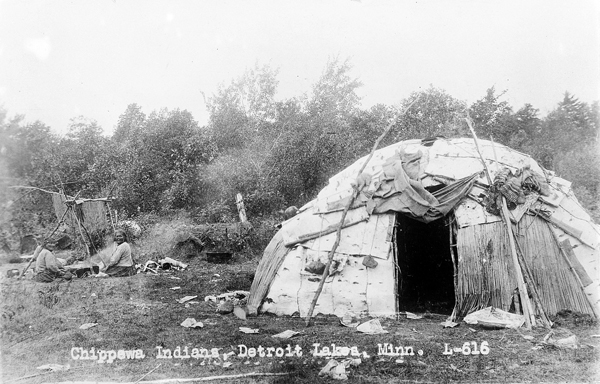
Native Peoples are the original inhabitants of North America, including the Great Lakes region. Native Peoples inhabited the continent tens of thousands of years before the arrival of explorers and settlers from other countries.
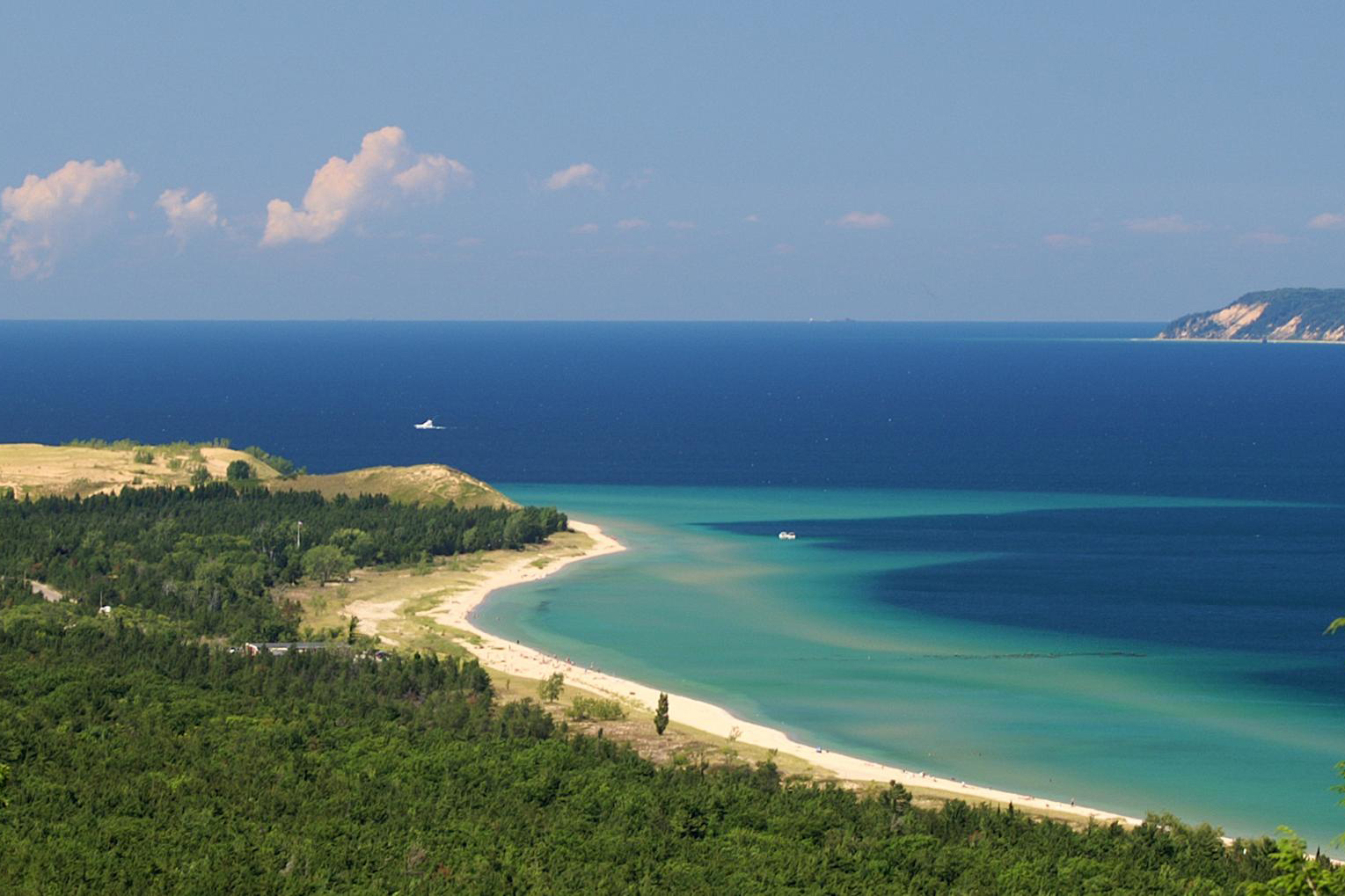
The Great Lakes are bountiful sources of food for Native Peoples. They are well respected and often the subject of spiritual practices.
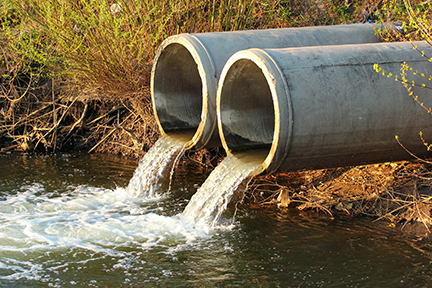
Like many other bodies of water around the world, the Great Lakes are polluted. Find out about the different types of pollutants and how they enter the lakes.
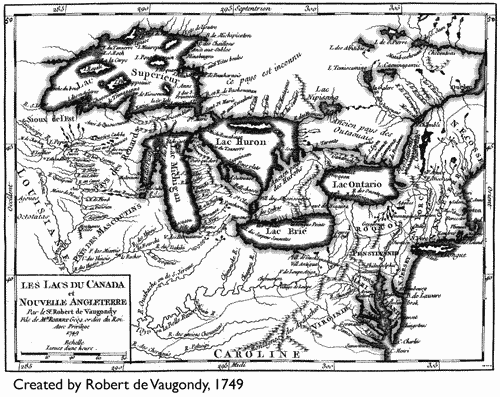
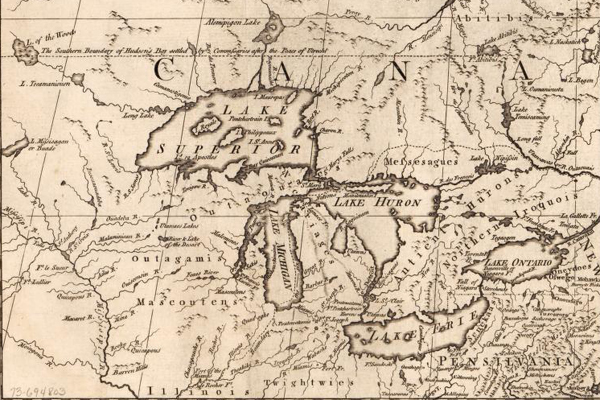
The Great Lakes are rich in natural resources. They provide abundant fresh water, food such as fish and wild rice, and a network of lakes and rivers for travel and trade. Many tribes competed for access to these resources.
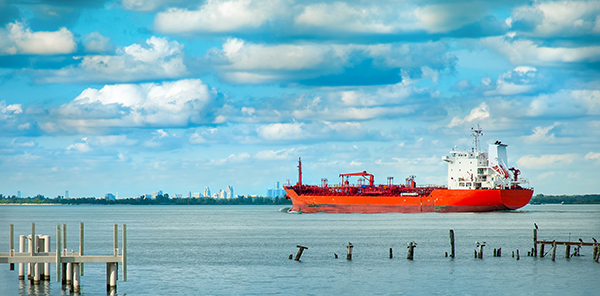
Ships typically travel in upbound or downbound shipping lanes between ports on the lakes to avoid collisions. If a vessel is downbound, it means that it's headed out of the Great Lakes toward the Atlantic Ocean.
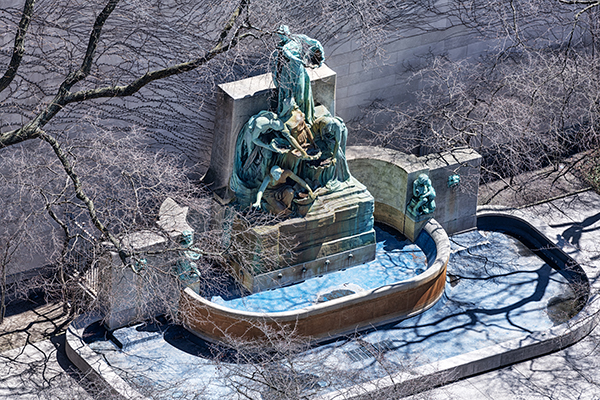
The Fountain of the Great Lakes depicts five female figures grouped together so that water flows from their shells in the same way it passes through the Great Lake system.

The lasting influence of Native American tribes and First Nations is evident by looking at any present-day map of North America. You will have to search harder to find other ways that native people continue to shape our country.
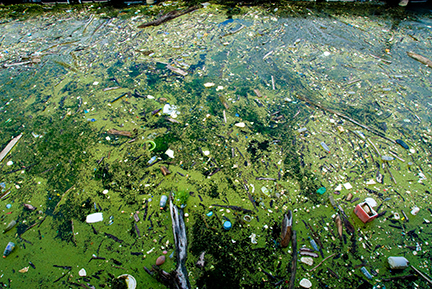
Eutrophication had claimed Lake Erie and excessive algae became the dominant plant species, covering beaches in slimy moss and killing off native aquatic species by soaking up all of the oxygen.
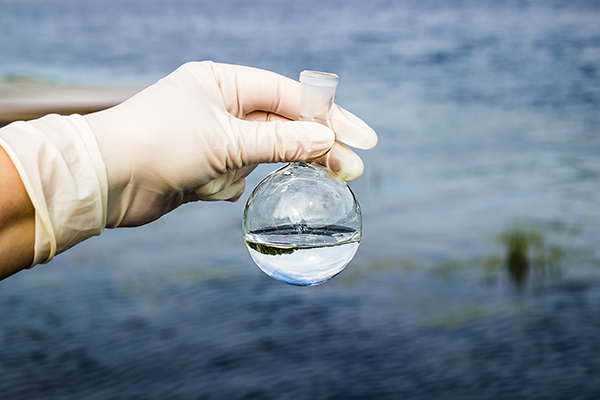
The International Joint Commission (IJC), created as a result of the Boundary Waters Treaty of 1909, conducted studies on the water quality of the Great Lakes in the 1960s, determining that excessive phosphorus was causing eutrophication in the Great Lakes, particularly in lakes Ontario and Erie.
During the 18th and 19th centuries, people often used rivers and lakes as garbage cans. They believed that water could dilute any substance. We've learned a lot, but there is still much to be done.