The lasting influence of Native American tribes and First Nations is evident by looking at any present-day map of North America. You'll see thousands of cities, rivers, and lakes that bear the names of the continent's original settlers. The Susquehanna River in Pennsylvania, the town of Menomonee Falls in Wisconsin, and the national capital city of Ottawa in Canada, are just a few. But those are just the influences that are easy to see. To discover the deeper connections, you will need to look harder.
Today, tribal members are dispersed on reservations throughout the region, in rural areas, and in cities both large and small. Theses descendants of the Great Lakes tribes keep the values and traditions of Native American culture alive. Through powwows, art fairs, and other cultural events, tribes are connecting with their ancestry and exposing present generations to their traditional dance, music, and belief system.
Welcoming travelers to their reservations is one small way for tribes to share their connections to the land with everyone. To help accomplish this, Wisconsin’s tribes are working with the Wisconsin Department of Transportation. Together, they are posting dual language signs on tribal lands. These signs keep native languages alive and help connect travelers to the history and culture of Wisconsin’s tribes.
Listen to Marvin Defoe, tribal historic preservation officer for the Red Cliff Band of Lake Superior Chippewa, as he talks about the importance of Gaa-Miskwaabikaang to his people,
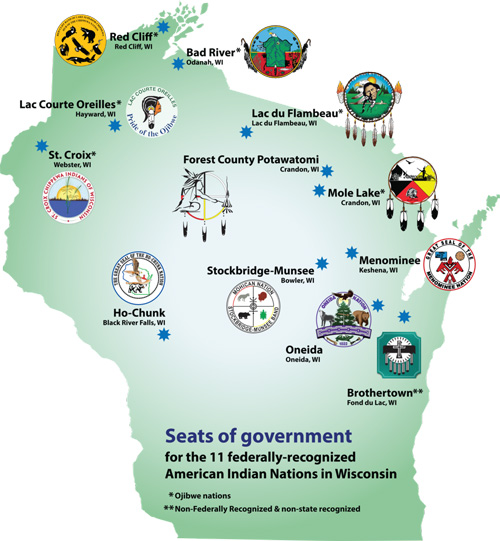
In the United States, federally recognized tribes are sovereign nations. This means that they have a government-to-government relationship with the United States. Each tribe establishes their own tribal systems to govern and protect their land and their citizens. They determine who is eligible for tribal membership. They establish their own laws, enforce those laws, and operate their own tribal courts.
Tribal governments are also responsible for education, health care, environmental protection, natural resource management, and the development and maintenance of basic infrastructure such as housing, roads, bridges, sewers, telecommunications, and solid waste treatment and disposal.
In Wisconsin, there are currently 11 federally recognized tribes. One Wisconsin tribe, the Brothertown Nation, is not recognized by the state or federal government.
Fishing remains a great source of income for many tribes, especially those who make their home in the western half of the Great Lakes basin. Native Peoples' rights to the fish and other natural resources in the region have been protected by various federal treaties and state/provincial agreements. Tribal fishing rights are maintained and managed through groups such as the Great Lakes Indian Fish and Wildlife Commission, based in Odanah, Wisconsin, and the Chippewa Ottawa Resource Authority, based in Sault Ste. Marie, Michigan.
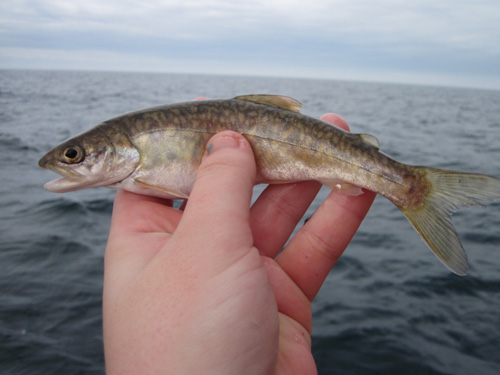
Many tribes work on ambitious natural resource projects to protect and restore the environment.
Keweenaw Bay Indian Community
On fishery issues, tribes and First Nations cooperate closely with researchers and federal and state/provincial resource managers. For example, through an agreement with the U.S. Fish and Wildlife Service (USFWS), the Keweenaw Bay Indian Community in northern Michigan operates a fish health isolation facility, which is playing a key role in efforts to restore the lake trout fishery in the Great Lakes. In exchange, the USFWS provides yearling trout from the hatchery to Keweenaw Bay and the community's reservation waters.
Menomonee Indian Tribe of Wisconsin
The Menominee Tribe have sustainably managed the Menomonee Forest for over 150 years. The have maintained a forest ecosystem that is healthy and diverse. They are careful to only take from the forest what the forest is able to replace. This stewardship means that generations to come will be able to experience a productive forest for their use and enjoyment.
Red Cliff Band of Lake Superior Chippewa
Frog Bay Tribal National Park is the first national tribal park in the United States. It protects 300 acres of boreal forest, nearly 120 acres of wetlands and freshwater estuary habitat, and almost 4,000 feet of undeveloped Lake Superior shoreline. The park is managed by Red Cliff’s Treaty Natural Resources Division to preserve the cultural and natural heritage of the area.
Forest County Potawatomi Community
The Forest County Potawatomi Community is committed to using its resources to benefit both its members and the general public. The tribe’s long-term goal is to become energy independent. They have experimented with a digester to turn food waste into energy, photovoltaic cells, and wind power.
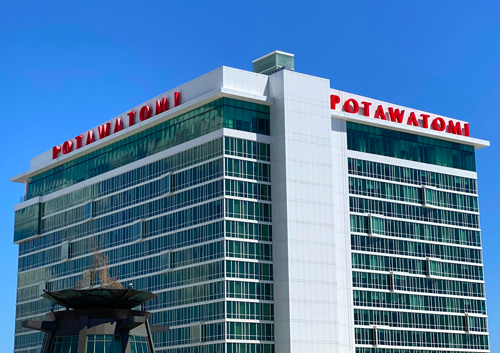
Casino gambling opportunities are also growing among tribes in the Great Lakes region. In 1987, the U.S. Supreme Court recognized Native Peoples' rights to run gaming operations when it ruled that states had no authority to regulate gaming on Indian land if such gaming is permitted outside the reservation for any other purpose. Congress established the legal basis for this right when it passed the Indian Gaming Regulatory Act (IGRA) in 1988. The IGRA appears to be working to the benefit of Native Peoples in several states, most notably Minnesota, Wisconsin, and Michigan. The revenues generated are helping tribes and surrounding communities become economically self-sufficient, and enhance their education and health care systems.
Find your nearest Native neighbors by exploring a map of current tribal lands and nations in Wisconsin.
Listen to two Anishinaabemowin speakers talking about place names in the Milwaukee area on WUWM’s Bubbler Talk.
Consider attending the Indian Summer Festival, which is traditionally held the weekend after Labor Day in Milwaukee.
Discover how tribes manage treaty rights by visiting Great Lakes Indian Fish and Wildlife Commission and Chippewa Ottawa Resource Authority,
Find out more about how tribal nations work to protect the environment.
- The Keweenaw Bay Tribal Hatchery and their goal to raise native fish.
- The Menomonee Forest and 150 plus years of sustainable forestry management.
- Frog Bay National Tribal Park