
- Listen in the nightime air near water for the twang of a loose banjo string. This is the sound of the green frog. If you hear the sound of horses’ hooves trotting over a cobblestone street, that's the mink frog.
- Bluebirds are nesting for the second time this year.
- The female tundra swan, called a pen, lays an average of four eggs which hatch in late June. The weather can affect how many eggs she has.
- Prairie grasses like sideoats gramma and indian grass add color to the prairie this time of year.
- Sit on the banks of a wetland and let the dragonflies dart past you at top speeds. In Wisconsin, many dragonfly nymphs change into adults this time of year.
- The wood violet, Wisconsin's state flower, is purple and small. Look for the blooms in wet woodland and meadow areas, and along roadsides.
- Lupine is in bloom so watch for the Adult Karner blue butterflies to emerge out of their cocoon-like chrysalis and feed on the nectar.
- Ruffed grouse chicks are hatching.
- Purple Loosestrife is in bloom - this beautiful purple flower is taking over wetlands and choaking out native species.
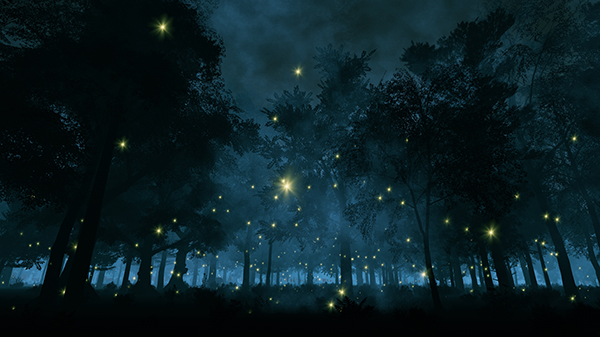
- Dark skies bring out fireflies.
- During this time of year, many fish are moving about in Wisconsin's waters. Look for northern pike spawning during high water in flooded ditches near Green Bay.
- Bright lights at night attract the beautiful luna moth.
- A sure sign of summer in Wisconsin is when the common milkweed (Asclepias syriaca) is in bloom. If you find milkweed, you’re also likely to find monarch butterflies.
- Marsh Marigolds and yellow lotus are in bloom in the wetlands.
- When you’re walking through a thick forested area, two types of ticks may check you out for a meal.