
After World War II, people started moving from the cities into the countryside. The GI Bill, road building projects, and increased car manufacturing all contributed greatly to this shift, and living in "suburbia" signified a better quality of life.
The Great Lakes are a very important part of our ecosystem and much remains to be learned about them. Pollution and urban sprawl affect the health of the waterway, the species within it and eventually our health. Its important to preserve the future of the Great Lakes so we can continue to use them as a resource.
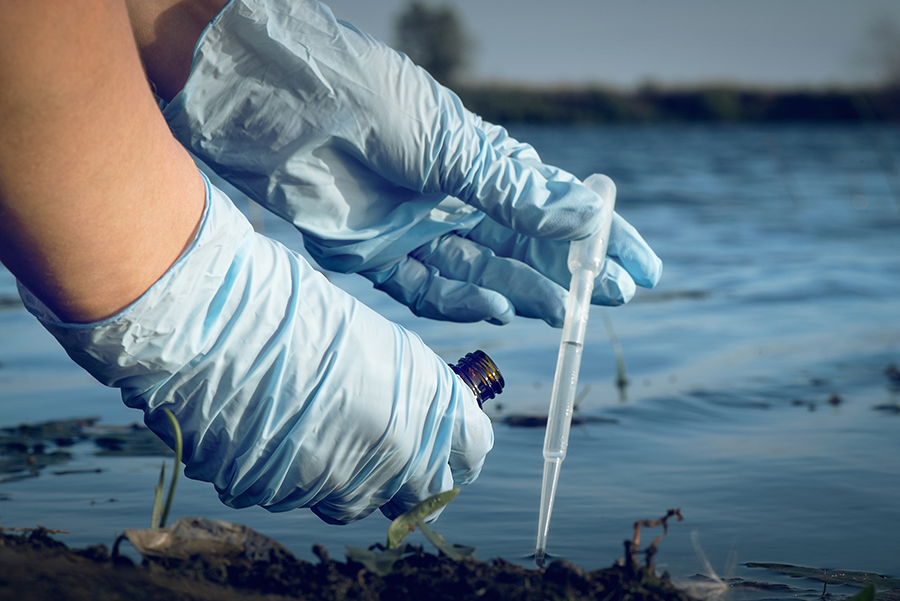
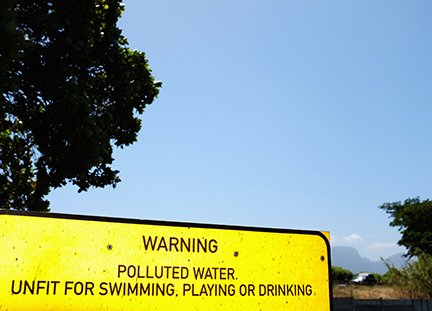
Water pollution affects the health of the waterway, the health of the organisms living in and around the waterway, and, eventually, the health of humans. The effects of water pollution can range from aquatic deformities to contaminated fish to "dead" lakes.
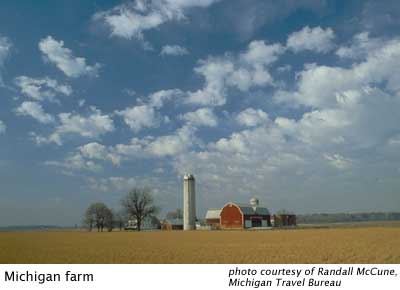
States and communities are beginning to realize the effects of sprawl, and many are in the early stages of developing and implementing plans to curb it. The city of Portland, Oregon, is one of the best examples of efficient land-use planning in the United States.

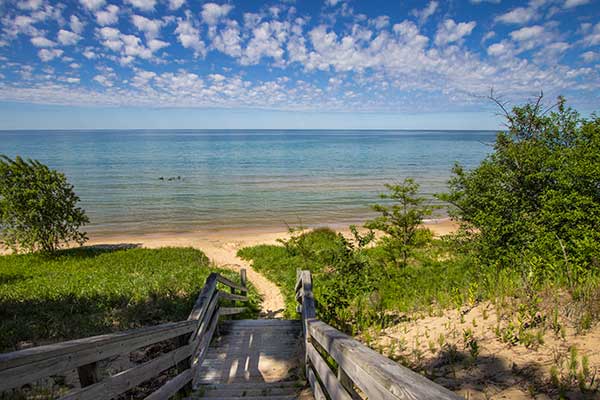
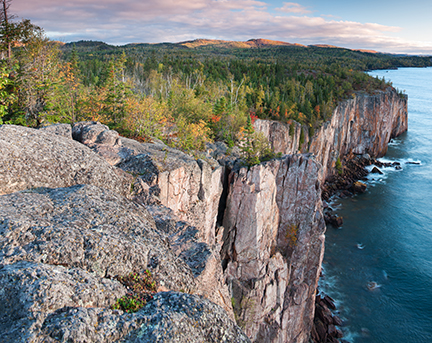
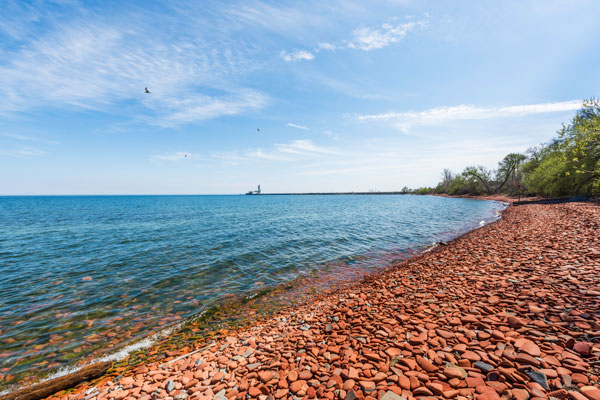
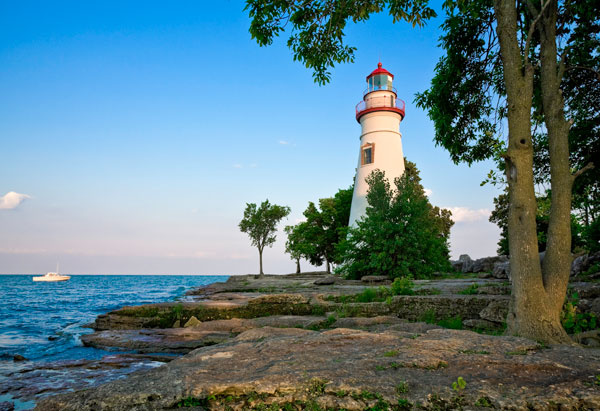
The Great Lakes—Superior, Michigan, Huron, Erie and Ontario—and their connecting channels form the largest fresh surface water system on Earth. If you stood on the moon, you could see the lakes and recognize the familiar wolf head shape or the mitten bounded by lakes Michigan, Huron and Erie.
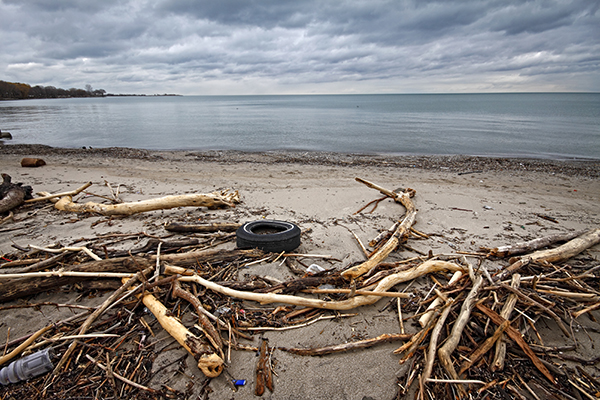
During the 18th and 19th centuries, people often used rivers and lakes as garbage cans. They believed that water could dilute any substance. We've learned a lot, but there is still much to be done.