March is an exciting time of the year as plants and animals respond to the increased sunlight and warming temperatures. Some days it feels very much like winter! Some days you can see, feel, smell, and hear spring in the air. How many of these changes do you notice while you are playing and working outdoors.
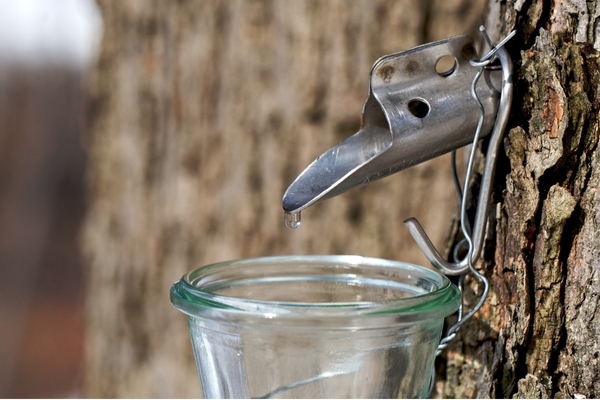
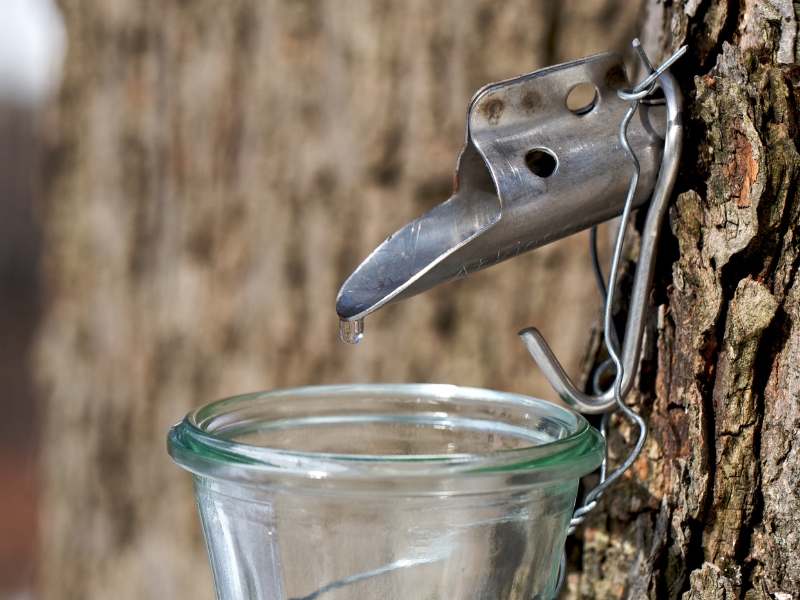
Maple sap flows when daytime temperatures rise above 40 and nighttime temperatures drop below freezing. Learn more about the sugar maple and where maple syrup comes from.
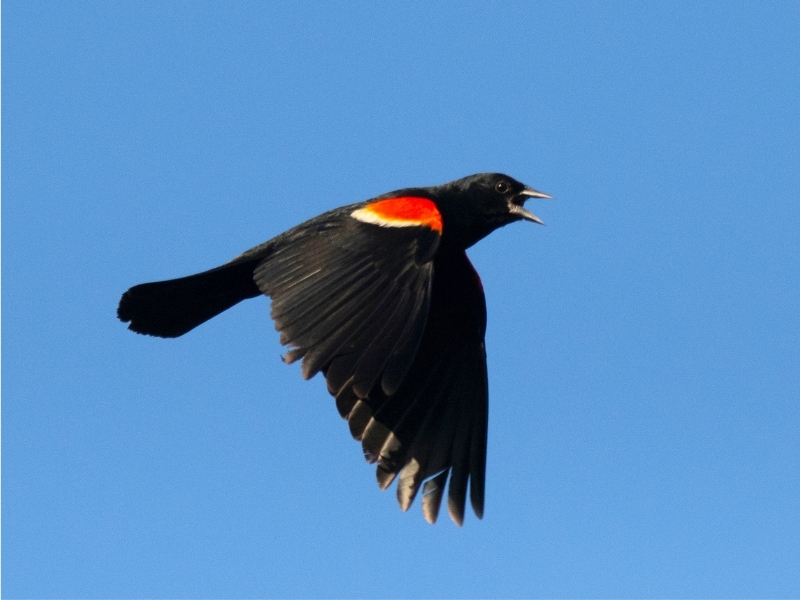
Seventy-five years ago, red-winged blackbirds didn't return to Wisconsin until later in March. Due to climate change, they are now arriving in February. In March, you can watch for grackles and woodcocks early in the month. By the end of the month, there will be new birds arriving almost every day.
All winter, chipmunks slept in their underground burrows. When they got hungry, they ate some of the food they had stored. When the temperatures start to rise in spring, they suddenly reappear along with woodchucks, ground squirrels, and jumping mice.

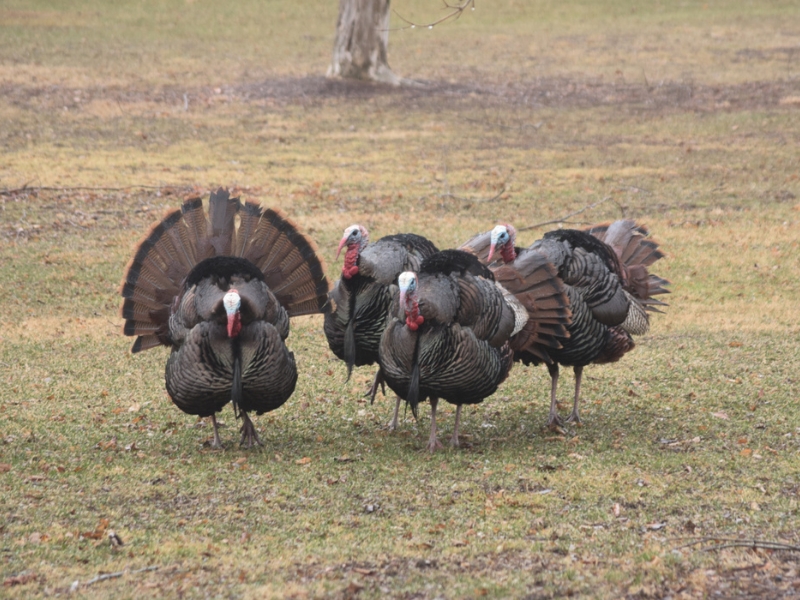
Find out more about turkeys.
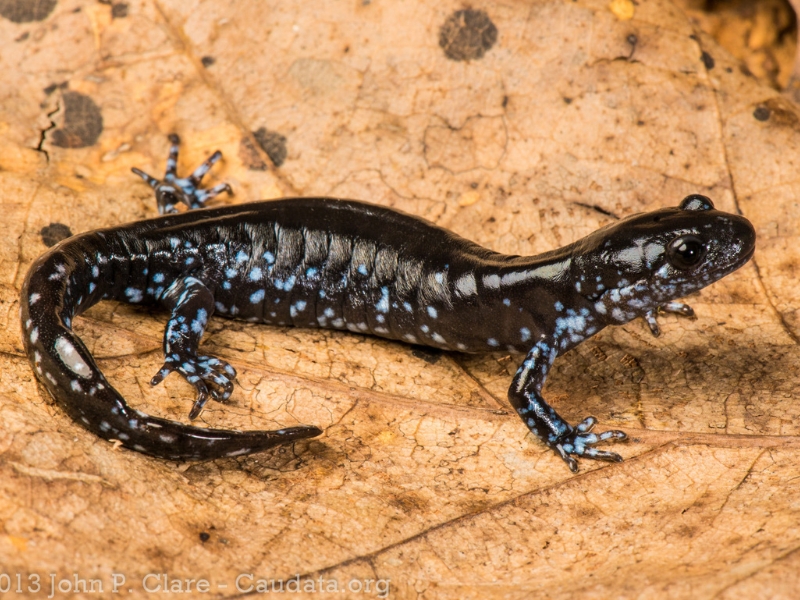
Salamanders and frogs emerge when the ice is still on the pond. If you venture out during rainstorms in March, you might see salamanders and frogs on the move. Snakes and turtles are also stirring. Visit ponds on sunny days to look for basking turtles. Snakes are often seen sunning on trails and near their hibernacula.
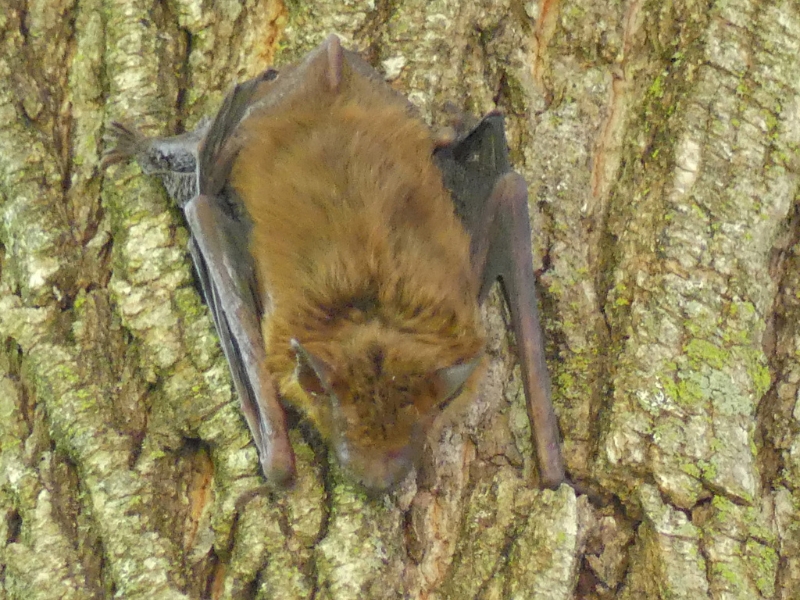
Big brown bats come out of hibernation by late March. If you have bat houses, be sure you get them ready in early March.
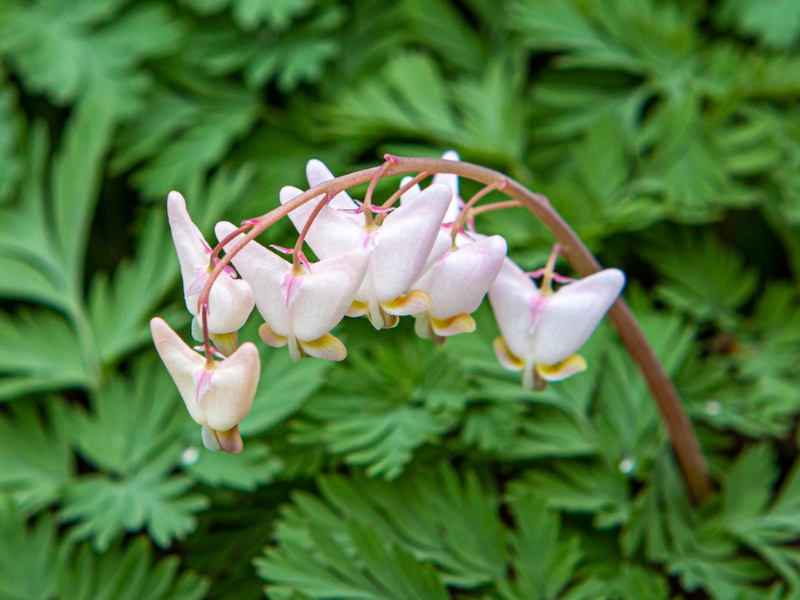
Dutchman's breeches are among the first flowers to emerge. Woodland flowers bloom in early spring before the trees' leaves emerge and block the warm sunshine.
Many predators give birth in March, including foxes, wolves, pine martens, and lynxs. You might discover baby animals in your yard or in the wild. They are often cute, helpless, and seem friendly. Learn what to do and what not to do when you find them.

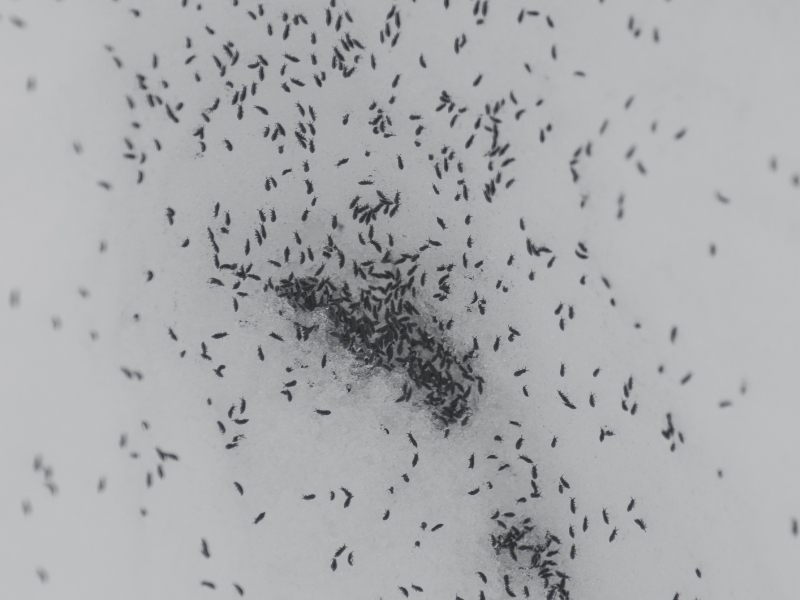
If you want to find snow fleas, look around tree trunks where the snow has started to melt. You will have the best luck if you look on the south side of the trunk on a sunny day.