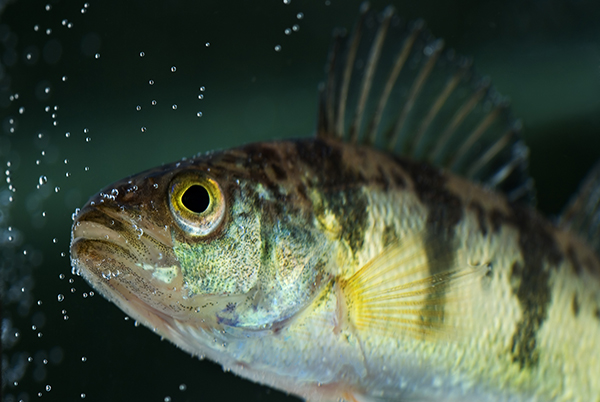
Fish make up more than half of the known vertebrate species in the world. Currently, there are about 50,000 known species of fish, with new species being identified every year! Despite the fact that freshwater rivers and lakes represent only about 1 percent of the world's water, more than 41 percent of all fish species are found there.
The Great Lakes contain a variety of habitats that support a broad diversity of life including several different species of plants and fish. These ecosystems each have their own range of climates and soils that support these different species. The fresh water from these lakes is also a resources that helps sustain life on land.
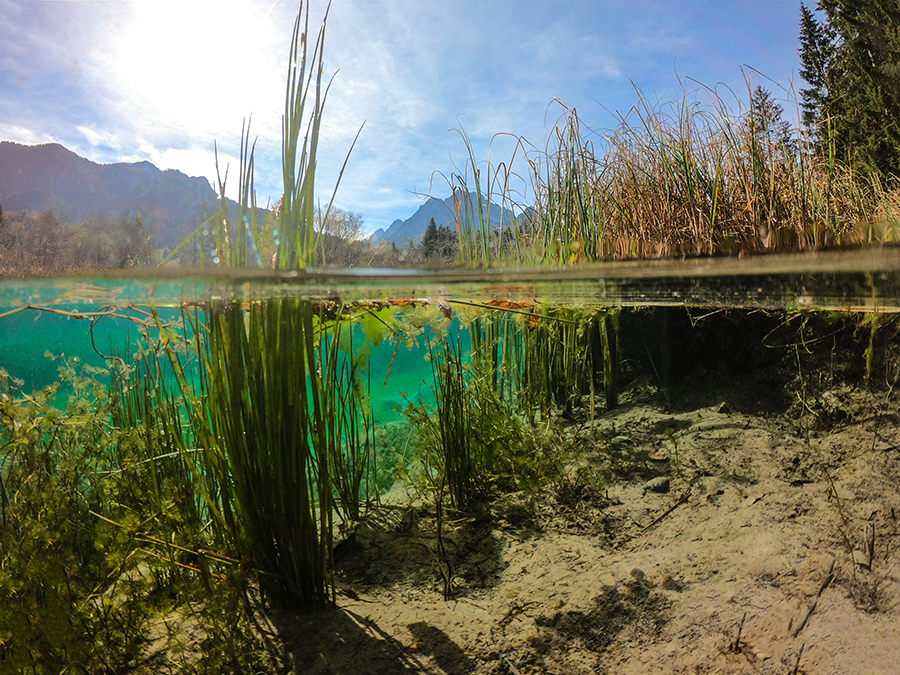
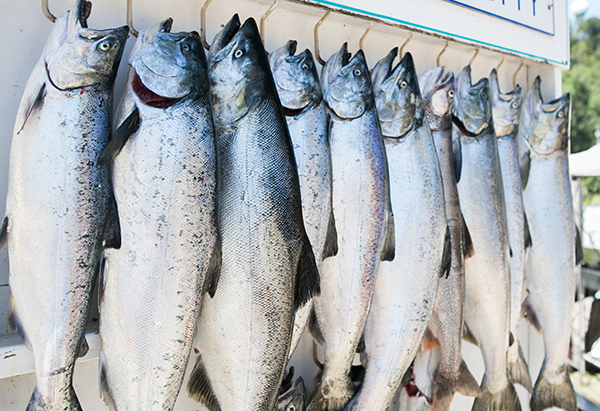
In the Great Lakes region you'll find the largest continuous mass of freshwater in the world. In fact, these lakes, shared by the United States and Canada, have supported one of the world's largest freshwater fisheries for more than 100 years.
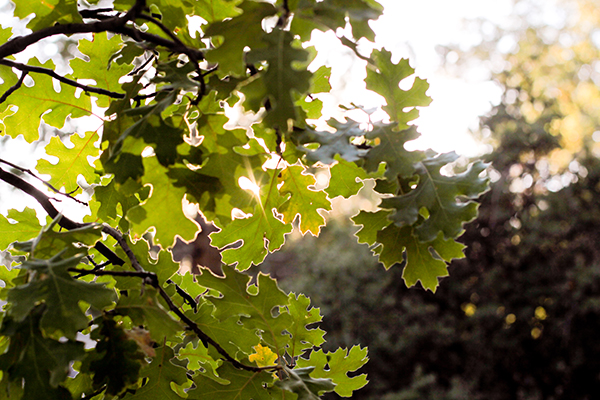
The white pine, Michigan's state tree, is considered to be the largest conifer in the northeastern United States. The needles are soft, bluish-green to silver green in color and are regularly arranged in bundles of five.
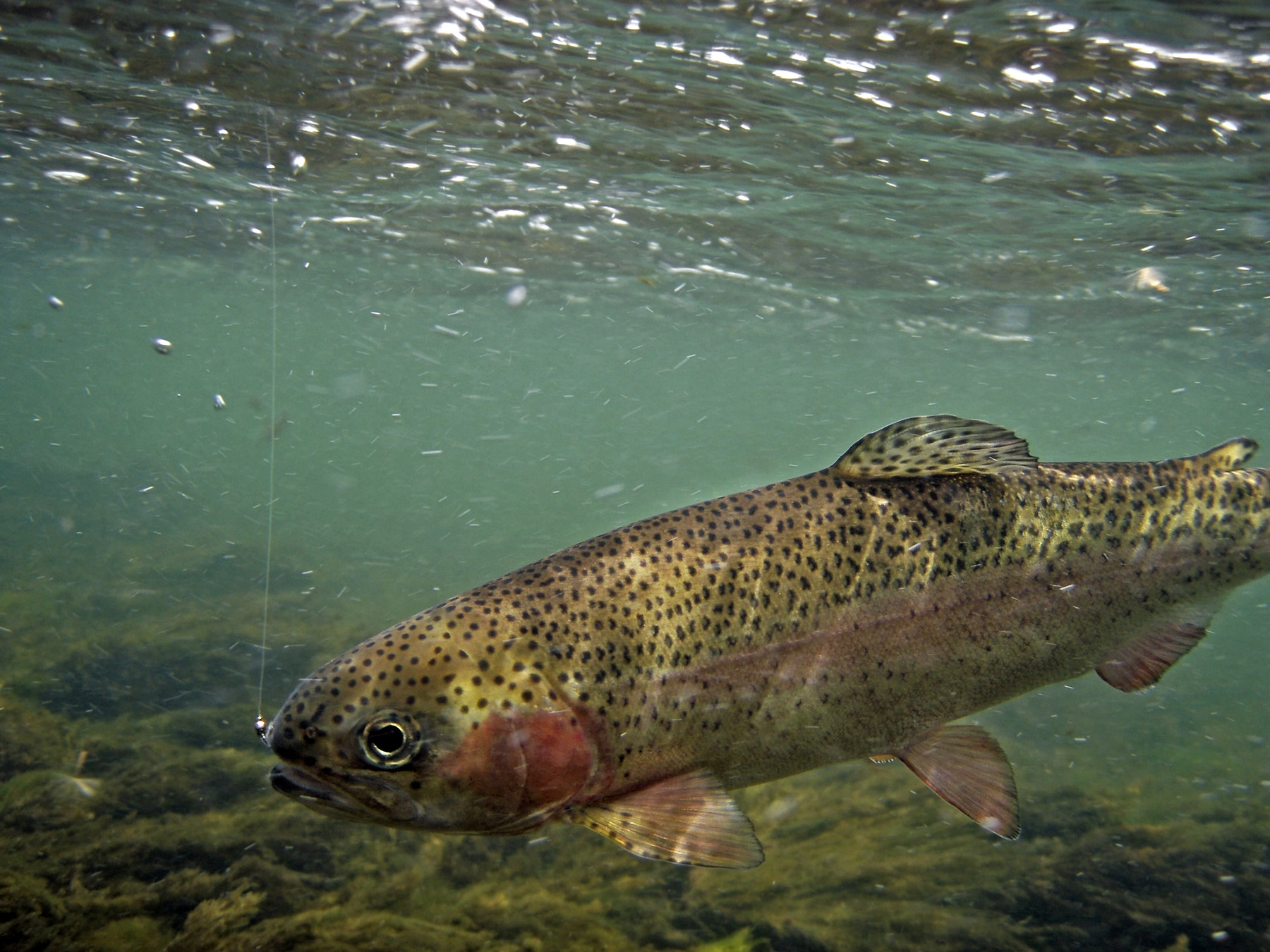
When a species is introduced into a new habitat it lacks natural controls on its population; predators, and competitors are absent and prey don't know how to avoid them. Without these natural controls, populations of introduced species often explode.
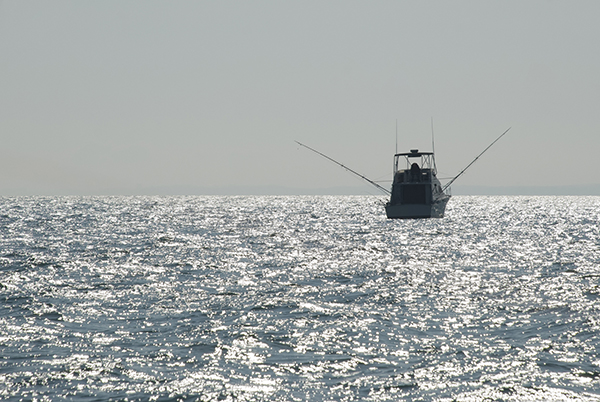
Today, only pockets of the once large commercial fishery remain. For Canada, the Lake Erie fishery remains prosperous, and represents nearly two-thirds of the country's total Great Lakes harvest. In the United States, the commercial fishery is based on lake whitefish, smelt, bloater chubs and perch, and on alewife for animal feed.